
Articles
WHO outlines the July 2026 Codex agenda for spices, chicken safety and labelling
A WHO note dated June 29, 2026, set out the Geneva timetable and proposed texts covering cardamom, vanilla, baker’s yeast, poultry safety, Listeria control and allergen labelling.
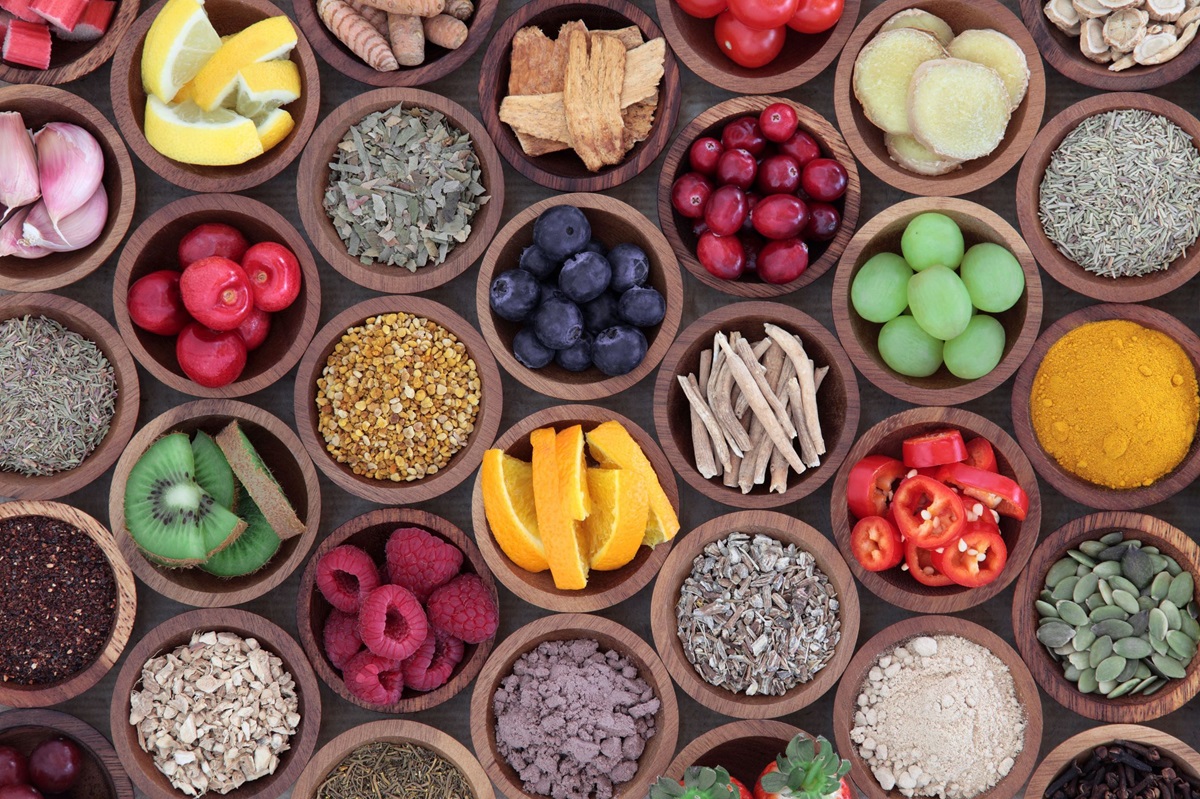
WHO note dated June 29, 2026 set out the timetable for the 49th session of the Codex Alimentarius Commission, scheduled in Geneva from July 6 to 10, 2026. The agenda included proposed food standards for large cardamom, vanilla and baker’s yeast, as well as revisions concerning chicken safety, Listeria control and food labelling.
For home cooks, the impact is indirect. The meeting was about international standards and guidance, not the introduction of a new cooking instruction or an immediate household rule. Its agenda nevertheless touched familiar parts of the food chain: spices, bakery ingredients, poultry and the information printed on packaged foods.
The Geneva timetable covered four working days
Plenary discussions were scheduled from 10:00 to 13:00 CEST and from 15:00 to 18:00 CEST, Monday July 6 through Wednesday July 8. The sessions were due to be broadcast in the six United Nations languages: Arabic, Chinese, English, French, Russian and Spanish.
The adoption of the session report was scheduled for Friday, July 10, at 10:00 CEST. The notice also said that real-time summaries of the Commission’s main decisions would be published on the FAO and WHO websites, allowing observers to follow developments during the session.
The proposed texts reached everyday food categories
Seven Codex technical committees had met since the previous Commission session and completed work on texts proposed for adoption. The package included a standard for large cardamom, described as a spice made from dried fruits and berries, and a standard for vanilla from dried or dehydrated fruits and berries.
Poultry safety was addressed through proposed revisions to the guidelines for controlling Campylobacter and Salmonella in chicken meat. The guidelines are identified as CXG 78-2011. Another proposed revision concerned the application of general food hygiene principles to control Listeria monocytogenes in food under CXG 61-2007.
Other agenda items covered baker’s yeast and revisions to the General Standard for Food Additives relating to polyglycerol esters of fatty acids, listed as INS 475. The package also included work on precautionary allergen labelling in the General Standard for the Labelling of Prepackaged Foods, together with food-labelling provisions for emergency situations.
An agenda is not the same as a final rule
Codex was created by the FAO and WHO, and held its first meeting in 1963. The Commission includes 188 member countries, the European Union as a member organization and 246 observer organizations. It meets annually to adopt food safety and quality standards, along with related recommendations.
Under the FAO/WHO Codex Alimentarius, WHO says it provides scientific advice and research to support international food-safety standards. That role helps explain why the subjects on the agenda can matter beyond the meeting room, but the June 29 notice described texts prepared for Commission consideration and a timetable for the report.
The practical distinction is important: the notice confirmed that these standards and revisions were scheduled for consideration, not that every listed text had become final or that a new food-safety requirement had already taken effect in households. The July 10 report session was the stated decision point, while the meeting summaries and final report were the relevant places to establish the status of each item.
For readers, the immediate takeaway is a proposed international standards package spanning spices, yeast, poultry safety, Listeria and labelling. Until the Commission’s reported decisions establish what was adopted, the announcement should be read as an agenda for review rather than a change to home cooking practice.