
Articles
EFSA Revises Its Aspartame Information Page: What EU Shoppers Need to Know
EFSA’s aspartame information page lists September 10, 2026, as its latest revision date. The page brings together the EU authorization, labeling rule and safety limits without announcing a new authorization decision.
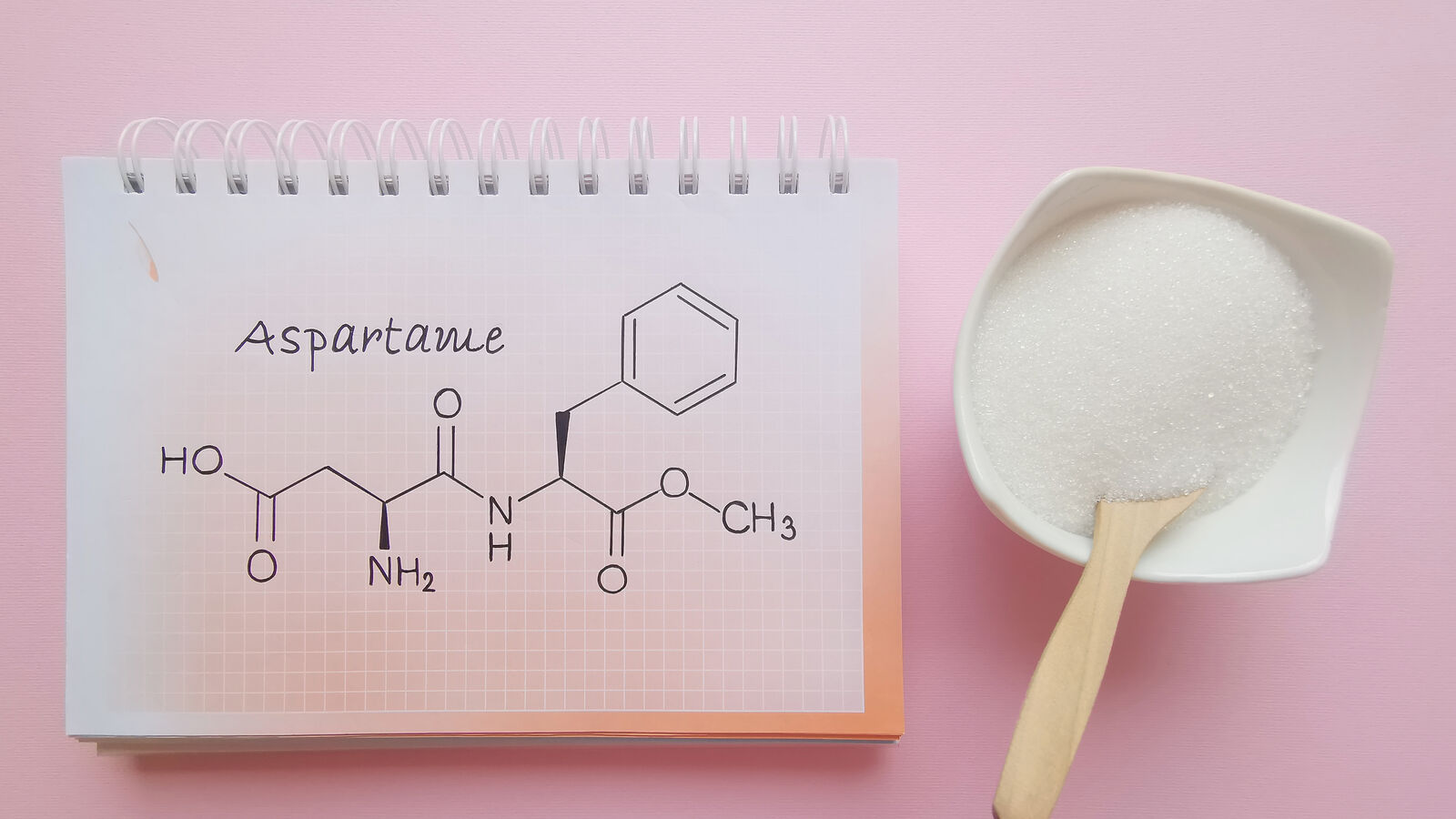
The European Food Safety Authority’s aspartame information page lists September 10, 2026, as its latest revision date. The page gathers the current EU authorization, labeling requirement and safety assessment in one place. That revision date, by itself, does not indicate that the European Union has issued a new authorization decision.
The two names to look for on EU labels
EFSA describes aspartame as an artificial, low-calorie sweetener that is about 200 times sweeter than sugar. Within the European Union, it is authorized for use in products including drinks, desserts, confectionery, dairy products, chewing gum and low-calorie foods.
When a covered product contains aspartame, its label must identify the sweetener either by name or by its additive number: E 951. Consumers checking an ingredient list therefore have two relevant terms to recognize, “aspartame” and “E 951.” The requirement applies to products covered by the EU authorization described on EFSA’s page.
What the safety limit actually measures
The benchmark cited by EFSA comes from its full 2013 re-evaluation. That assessment concluded that aspartame and its breakdown products were safe for the general population, including infants, children and pregnant women. It established an acceptable daily intake of 40 milligrams per kilogram of body weight per day and estimated consumer exposure to be well below that value.
An acceptable daily intake is a population safety benchmark, not a serving size and not a recommendation to consume the sweetener. Because the figure is calculated per kilogram of body weight, its meaning depends on both a person’s weight and their overall exposure across products. It should not be read as a fixed amount that applies identically to every shopper.
Phenylketonuria changes the relevant advice
There is an important medical exception. People with phenylketonuria must follow a strict diet low in phenylalanine, and EFSA states that the acceptable daily intake for aspartame does not apply to them.
For these consumers, the condition-specific dietary restriction is the decisive information when assessing products containing E 951. The general population benchmark does not replace the dietary requirements associated with phenylketonuria.
Where aspartame fits into EFSA’s additive reviews
EU food additives authorized before January 20, 2009, are subject to re-evaluation by EFSA. Aspartame E 951 was among the first sweeteners to undergo a complete review, in 2013. The revision of the information page also records several more recent assessments involving other sweeteners.
Salt of aspartame-acesulfame E 962 was judged in September 2026 not to raise a safety concern. Neotame E 961 was found in July 2025 to present no health concern at currently authorized uses and levels. Acesulfame K E 950 was assessed as safe in April 2025, with an acceptable daily intake of 15 milligrams per kilogram of body weight per day, up from 9.
For EU shoppers, the practical point is narrow but clear: the September 10 revision updates EFSA’s reference information. The checks that matter when reading a product remain the ingredient label, the E 951 designation and, for people with phenylketonuria, the specific restriction on phenylalanine.
Official sources
Sources
- Official source: efsa.europa.eu
- https://www.efsa.europa.eu/en/topics/topic/aspartame